
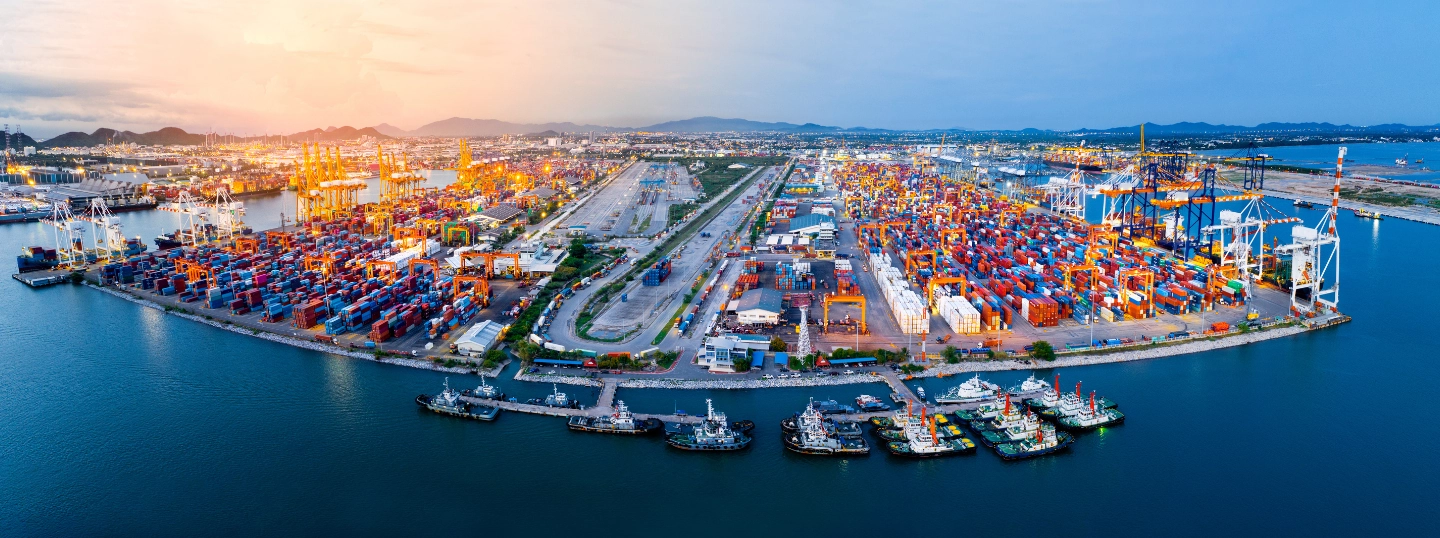
Khalifa Port Free Trade Zone business setup involves forming a port-linked free zone company with the right activity, facility, and operating scope in the UAE. Approvals depend on your activity, facility needs, and port-linked operations managed by AD Ports Group.
If you pick the wrong activity or facility type, you can face rework, extra lease costs, and delayed licence issuance. That delay hits you directly when shipments, staffing, or customer contracts depend on being operational.
We scope cargo flow, secure the right warehouse or yard, submit documents, and take you through visas and bank account readiness.
Where Trade Meets Infrastructure — Inside Khalifa Port
Khalifa Port Free Trade Zone business setup is different from most free zones because KPFTZ sits inside Khalifa Port itself and is designed for companies that move physical goods. Under Federal Decree-Law No. 32 of 2021, free zone companies are incorporated under their relevant authority framework, and in KPFTZ that operating environment is managed by AD Ports Group.
The defining advantage is direct quay and berth access, so your business can load and unload without shifting cargo outside the zone or adding extra transfers. If you are exploring free zone company formation in UAE, KPFTZ is a strong fit when your day-to-day operations depend on port throughput and controlled cargo handling.
How Your Business Activity Determines Zone Eligibility
KPFTZ company formation is assessed from the ground up based on how your goods will physically move through the port, rather than from a generic activity list alone. The free zone authority under AD Ports Group typically scopes your cargo flow first, then aligns your activity with the right facility type and operational access.
This is why KPFTZ is best for trading, manufacturing, storage, and logistics businesses that handle real inventory. If your work is purely office-based or consulting, you will usually move faster in a non-port free zone where facilities are not tied so tightly to approvals.
Eligibility is assessed from physical cargo flow
Approvals usually start with what comes in, what goes out, and how often cargo moves through the port. You will need to clarify handling needs, shipping patterns, and whether goods require controlled storage or staging. This approach helps prevent a licence-facility mismatch that slows operations after approval.
Activity-to-facility mapping: trade, manufacturing, storage, or freight forwarding
In KPFTZ, the authority maps your activity to a practical footprint — a warehouse for stockholding, a yard for bulky goods, a container freight station for consolidation, or office space for lighter operations. If berth or quay access is essential, this is reviewed early so your licence matches how you'll ship. PRO support keeps submissions consistent.
Upfront scoping: volume, storage needs, and processing type shape approvals
You will usually need to share expected import and export volumes, storage duration, and the type of processing you will perform, such as repacking, light assembly, or manufacturing. These details influence what the authority can approve before it allocates a facility. Getting this scope right upfront helps you avoid a setup that is either undersized or unnecessarily heavy for your model.
KPFTZ Benefits: Port Access + Zero Tax
A KPFTZ free zone license combines commercial flexibility with a port-first operating model: you can hold 100% foreign ownership and repatriate profits fully, in line with standard free zone structures and the wider ownership framework under Cabinet Resolution No. 16 of 2020. For corporate tax, qualifying free zone income is assessed under Federal Decree-Law No. 47 of 2022, with registration and filing handled through the FTA and EmaraTax.
Operationally, the standout advantage is direct quay and berth access, often reducing the need for separate port handling layers and cutting transfer time. You also benefit from access to KIZAD’s industrial land bank for expansion and single-authority management under AD Ports Group. We can support your corporate tax registration, filing support, and VAT services for trading and logistics businesses as you scale.
Who KPFTZ Is Built For
KPFTZ is built for businesses that depend on port-linked throughput, storage, and controlled movement of goods. It suits import/export and re-export traders who need fast turnaround, bulk commodity and container-based businesses that rely on predictable handling, and manufacturers needing bonded warehousing to manage inbound materials and outbound finished goods.
It is also a strong match for freight forwarding and logistics operators that want container handling options and shorter transfer steps between storage and shipping. If your team and dependents are relocating, we can also coordinate investor visa and dependent visa services as part of the setup.
Import/Export and Re-Export operators using Khalifa Port workflows
If your business runs frequent import and export cycles, being inside the port reduces time lost to external transfers and duplicated handling. KPFTZ also supports re-export models where timing, documentation readiness, and cargo availability matter day to day. This structure is most valuable when your inventory moves actively rather than sitting offsite.
Manufacturing and processing businesses needing bonded warehousing
Manufacturers benefit when raw materials arrive into a bonded environment and finished goods move out with fewer handoffs. Your facility choice, such as industrial land or a production-ready warehouse, directly affects what the authority can approve under your licence. This structure works best for businesses with consistent inbound supply and planned outbound distribution.
Freight forwarding, logistics, and containerized cargo businesses
Forwarders and logistics operators often need consolidation, deconsolidation, and short-term staging close to shipping lanes. KPFTZ’s port ecosystem supports that model with container handling options that reduce transfer steps. Because licensing is tied to operational footprint, facility fit is part of the qualification, not an afterthought.
Facilities: Warehouses, Yards, and Container Stations
KPFTZ offers covered warehouses, open storage yards, land plots for industrial buildout, container freight stations, and office units designed around real cargo operations. The practical difference is that facility choice is not just a real estate decision. In KPFTZ, it directly affects licence eligibility and operating approvals under the free zone authority managed by AD Ports Group.
In many office-based free zones, you can pick a license first and decide space later, but KPFTZ often works the other way around. When your facility matches your handling, storage, and processing needs, approvals are cleaner and day-one operations are easier to run. We can also align your setup with accounting and bookkeeping for trading and manufacturing businesses.
Setting Up in KPFTZ — Step by Step
The KPFTZ company formation process follows a clear sequence, with the biggest success factor being correct activity-to-facility mapping from the start. When the operating model is defined early, licensing and facility steps move together and reduce delays.
We manage the process end to end, including coordination with banking and visa steps once your licence path is confirmed. For immigration stages, visa processing typically runs through ICP and the relevant residency authority, and we can also provide corporate bank account opening support and employment visa processing as part of the rollout plan.
Activity and license selection
You start by defining the activity in a way that matches how cargo will move, be stored, and be handled, then align it to the most suitable licence route. This choice directly affects the facility requirement and any operational access expectations. Getting it right early helps you avoid costly changes after submissions begin.
Trade name reservation
Next, you reserve a trade name that meets the naming rules and reflects your business purpose. You will typically provide preferred name options, shareholder details, and the intended activity. A clean reservation stage keeps the rest of the file consistent and avoids corrections later.
Document submission
We submit your application file with the required identification for shareholders and directors, UBO information, and incorporation documents where applicable. Depending on the operation, the authority may request a short business plan or operational outline to validate cargo flow and facility fit. Accuracy matters here because mismatched details often cause the longest back-and-forth.
Facility lease
In KPFTZ, the facility is part of the approval logic, not simply an address for the licence. The selection should reflect storage volumes, handling method, processing steps, and how quickly goods need to move between staging and shipping. We help you match the facility to both eligibility and operational reality.
License issuance
Once approvals are in place and facility arrangements are confirmed, the free zone authority issues your licence and your company can begin operating under the approved activity scope. From this point, you can move into operational onboarding, supplier contracts, and customer billing. Timelines vary by file complexity and the clarity of the initial scope.
Establishment card
The establishment card enables your company to access immigration-related services tied to your entity. It is an important administrative requirement before moving into visa quotas and employee onboarding. With this in place, you can progress to the visa stage without avoidable stops.
Visa processing
You can then apply for investor and employee visas based on your package and operational needs. The process typically includes entry status steps, medical checks, and Emirates ID registration through ICP as required. We coordinate the workflow so your onboarding dates and staffing plan stay on track.
Bank account setup
Account opening is smoother when your business profile is clear, including the nature of goods, expected transaction volumes, and supplier and customer geographies. Banks may request contracts, invoices, and compliance checks to understand the operating model. Preparing these early reduces repeated follow-ups and shortens decision time.
Why Danburite Handles Your KPFTZ Setup?
Danburite Corporate the Khalifa Port Free Trade Zone business setup has more moving parts than standard free zones because licensing is tied to cargo flow, facility fit, and port-linked operations. We manage activity mapping to the correct licence, source the right facility mix across warehouse, yard, or office options, and keep the file consistent from first scope to issuance.
You also get full PRO services, visa processing, and accounting support aligned to trading, manufacturing, and logistics realities, reducing delays and mis-licensing risk that can slow operations later. Speak to our team to start your setup.
FAQs
1. What is Khalifa Port Free Trade Zone and who is it for?
Khalifa Port Free Trade Zone is a port-based free zone for businesses that import, export, store, process, or move physical goods through Khalifa Port. It suits traders, manufacturers needing bonded warehousing, and freight forwarders that benefit from port-linked facilities. If you only need an office for consulting, another free zone may be a better fit.
2. What licenses are available in KPFTZ?
KPFTZ licenses usually cover trading, industrial or manufacturing, storage and warehousing, and logistics or freight-forwarding activities linked to port operations. The right licence depends on your cargo flow, handling steps, and whether you need a warehouse, yard, container freight station access, or an office. We map your activity to the facility requirement before submission to reduce approval delays.
3. Can KPFTZ companies ship directly through Khalifa Port?
KPFTZ companies can ship through Khalifa Port when their approved activity and facility allocation match the intended import, export, or re-export workflow. Your setup must reflect how goods move: containerized, bulk, stored, or processed before dispatch. We confirm the operating model early so your licensing and leasing support the shipping plan.
4. What facilities are available for warehousing and storage?
KPFTZ offers covered warehouses, open storage yards, land plots for industrial buildout, container freight station options, and office units depending on your activity. Facility choice matters because it often determines eligibility and the licence path more than in office-based free zones. We help you select and secure the facility type that matches your volumes and handling requirements.
Frequently Asked Questions
How is KPFTZ different from KIZAD?
KPFTZ sits inside the port environment and is designed around direct port-linked movement, handling, and storage for cargo-moving businesses. KIZAD focuses more broadly on industrial and logistics development with different facility and operating structures. We assess your cargo flow, throughput, and facility needs to confirm which zone fits your model.
How does Danburite help with KPFTZ company formation?
We handle KPFTZ company formation by mapping your activity to the correct licence and required facility, then managing documents, approvals, and setup steps end to end. You get coordinated support for facility sourcing, PRO and visa processing, and bank account readiness to reduce back-and-forth. We also align your structure for ongoing accounting and compliance needs once you start operating.
How much does KPFTZ company setup cost?
Costs vary based on your licence activity, facility type, and operational scope, since warehouse, yard, and land-based setups carry different requirements than office-based licences. Government and authority fees are separate from our service fees, and we outline both clearly before you commit. Contact our team for a tailored quote based on your specific activity and facility needs.
What if my business activity doesn't qualify for KPFTZ?
Not every business is a fit for KPFTZ, since it's built around port-linked cargo movement rather than general office-based operations. If your activity doesn't align with KPFTZ's facility and eligibility requirements, we can assess whether another Abu Dhabi or UAE free zone better suits your operations. We evaluate your activity and cargo flow upfront so you're not routed into a zone that doesn't match your business model.

Start Your KPFTZ Business with Direct Port Access
Contact Danburite Corporate today to start your Khalifa Port Free Trade Zone company setup with confidence.